Video Series
Second Life in Hokkaido
Leaving the city to redesign a life on Hokkaido soil — an ongoing story series
-
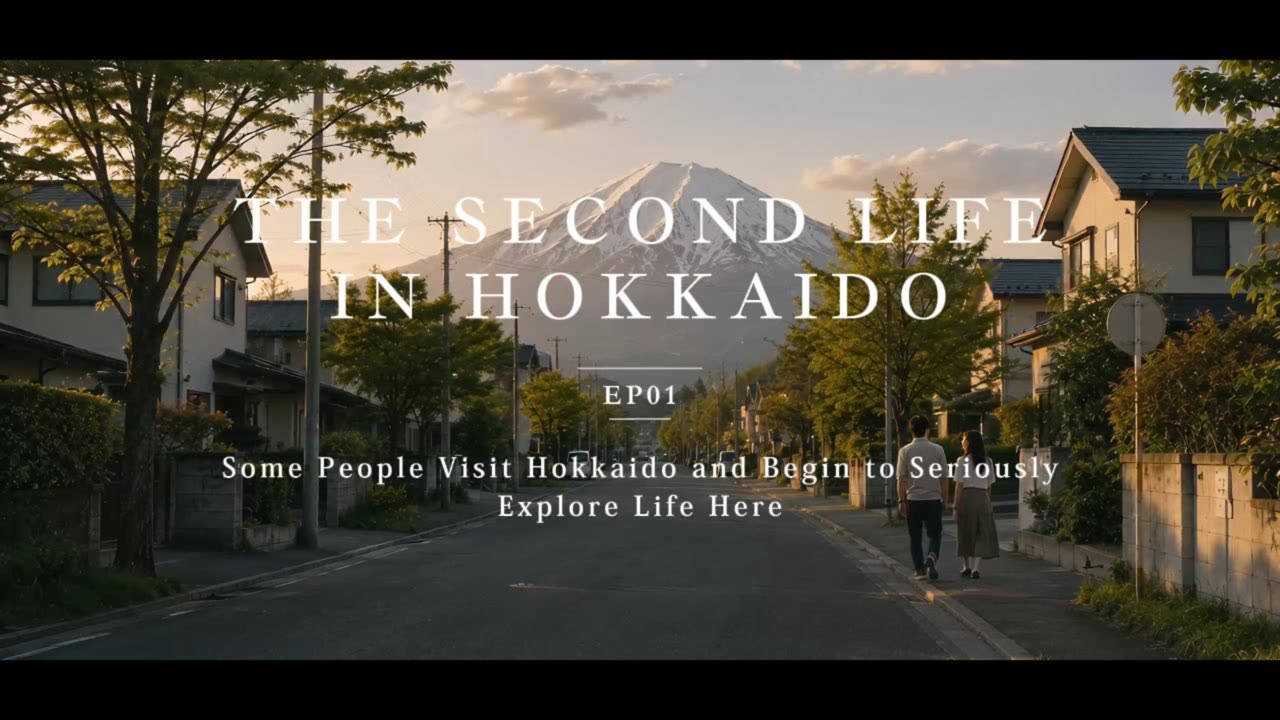 ▶1:51Episode 1 SG-V0028
First the Scenery, Then the Supermarkets
Most people arrive in Hokkaido for the snow, the hot springs and the seafood. Then something odd happens once they are home: they find themselves reading about the place late at night — how life works there, what the days are actually like. One visitor from Taipei stayed four days in Niseko, bought nothing, and kept opening maps of Hokkaido. What stayed with him was not the scenery.
-
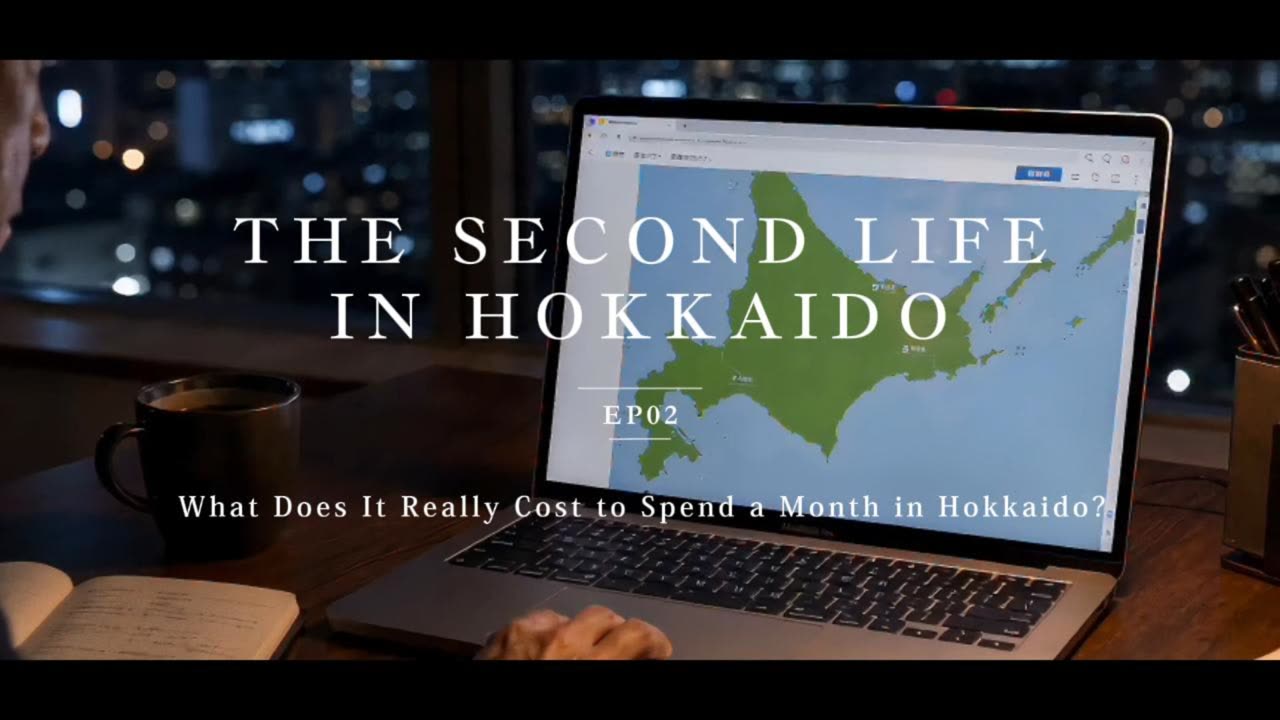 ▶2:29Episode 2 SG-V0029
What a Month in Hokkaido Costs, and Where It Goes
Anyone who begins to seriously picture a month in Hokkaido asks the same question first: what would it actually cost? Numbers are easy to find online, but numbers and real life are not the same thing — so we worked it out ourselves. A month off-season, the car, the fuel, the groceries. The largest line on the list is not the one most people expect.
-
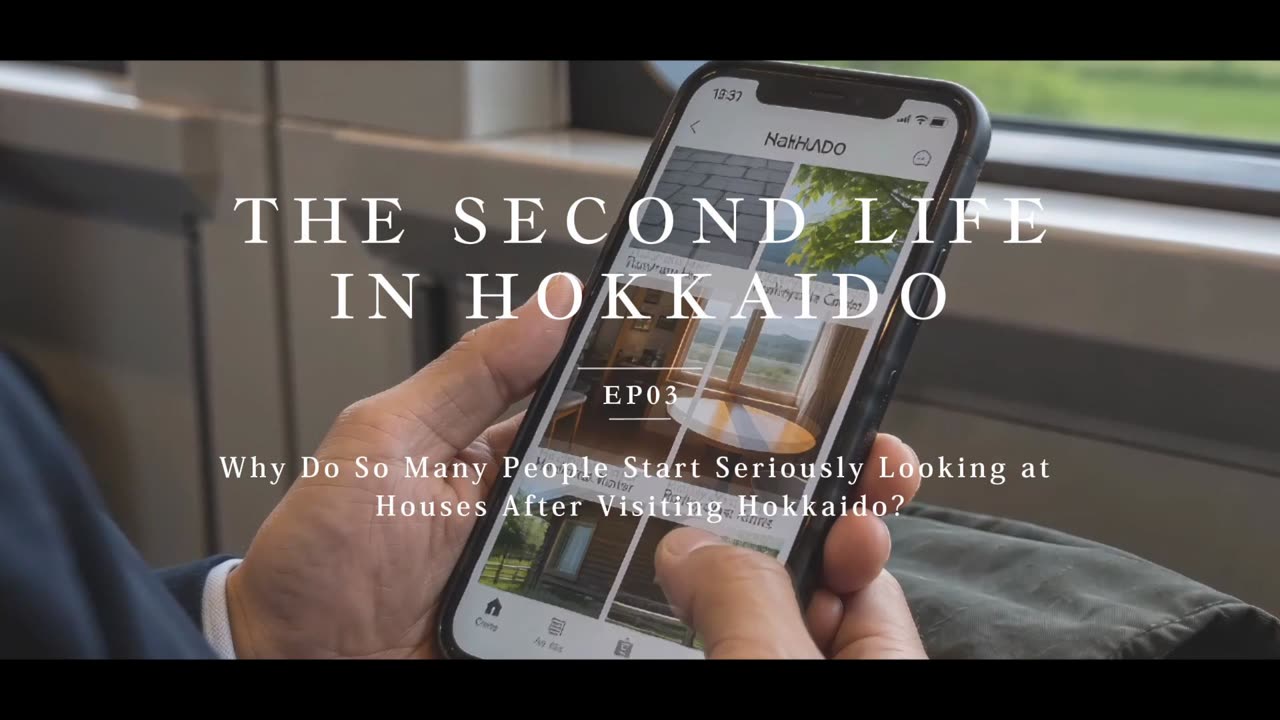 ▶4:10Episode 3 SG-V0030
After the Trip, You Start Looking at Hokkaido Homes
Before coming to Hokkaido, most people have no intention of house-hunting. Yet once the trip ends, they keep scrolling back through their photos — snowy peaks, cafés, the trees outside a guesthouse window — and quietly find themselves opening nearby listings. When looking at homes here, what people notice first is not the price, but the view outside the window.
-
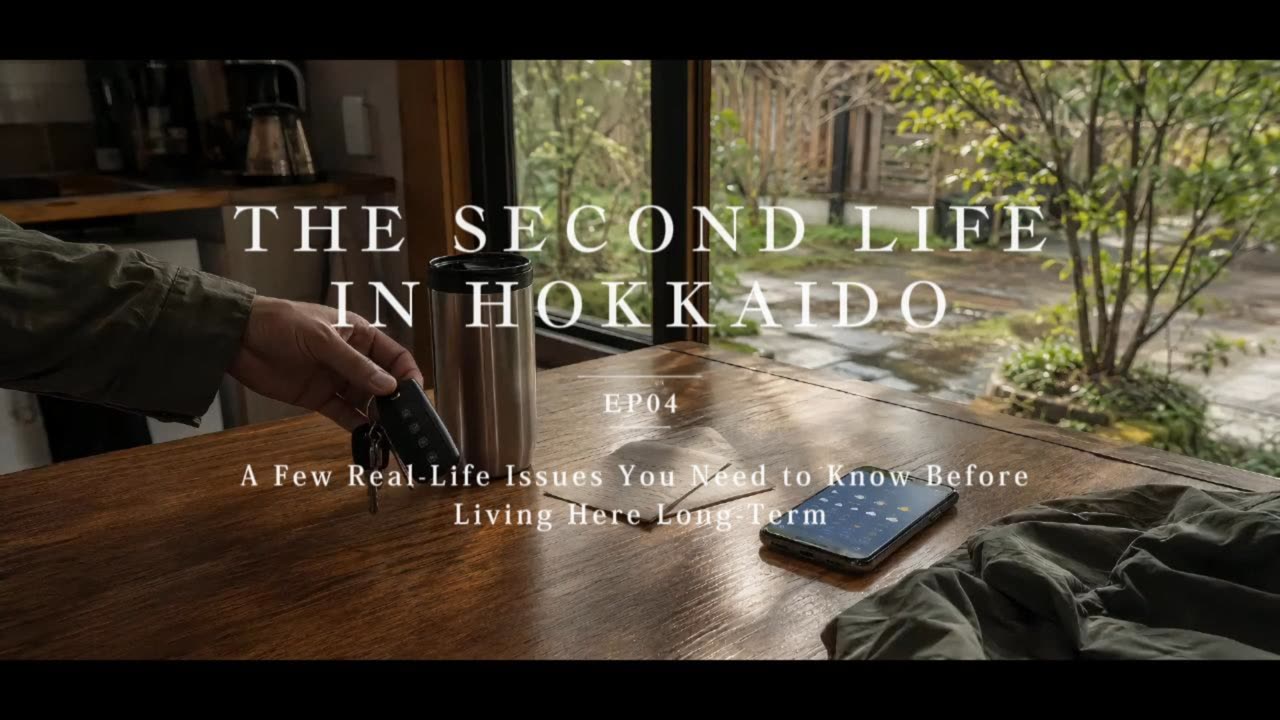 ▶3:00Episode 4 SG-V0031
Before You Stay, Live Through the Ordinary Days First
The first three episodes made long-term life in Hokkaido easy to picture. This one turns away from the scenery to the questions worth asking first. A place ten minutes away on the map can feel far in heavy snow or on a dark mountain road, so it helps to drive the route yourself, by day and after dark. Then come winter mornings, clinics and specialists, garbage rules and neighborhood associations — small things that decide whether you settle in. Quiet is the draw, but quiet also means arranging much on your own.
-
 ▶2:51Episode 5 SG-V0032
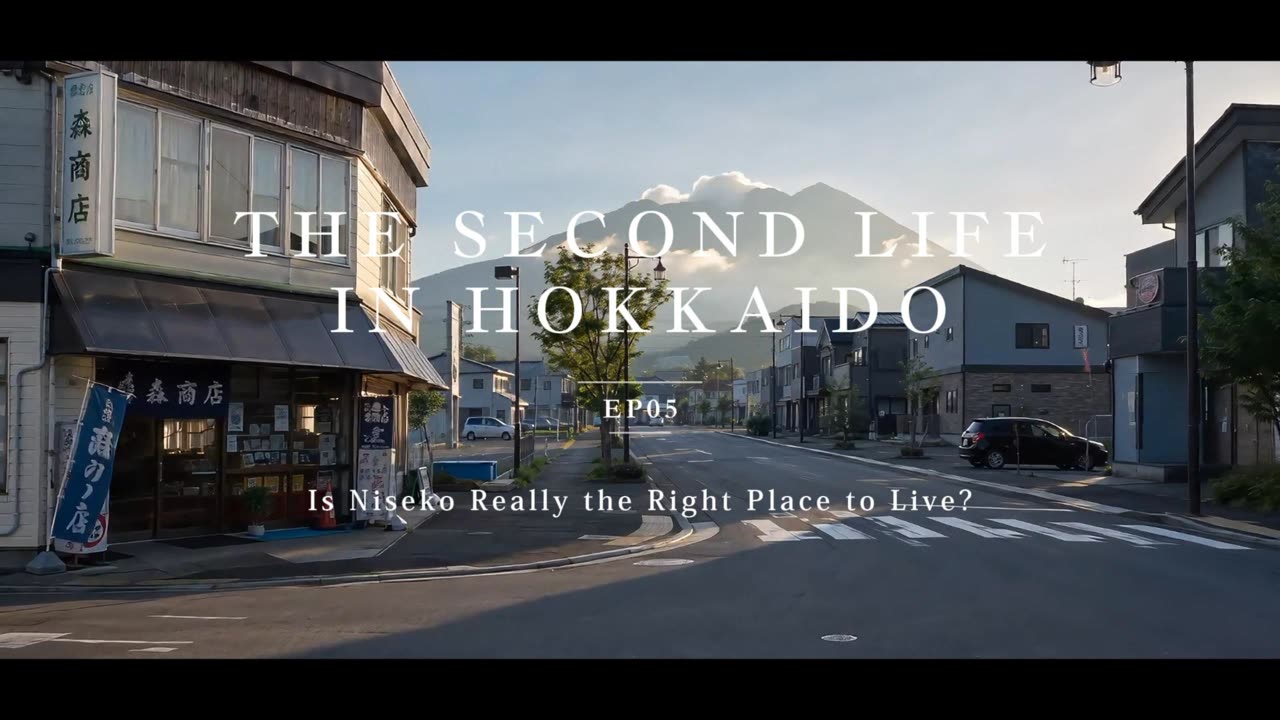
Niseko Is Easy to Love — But Is It Right to Live In?
Say Niseko and most people picture ski slopes and the crowds who fly in each winter — English menus, international faces, newcomers who seem to settle in overnight. It looks effortless. But change the question to whether it fits long-term living, and the answer is less certain. The winter buzz gives way to a much slower pace, popular-area rents and prices add up if you keep living like a tourist, and real daily life happens on ordinary streets rather than at the resort. It rewards those willing to drive, who love nature and enjoy mixing cultures.
-
 ▶2:29Episode 6 SG-V0033
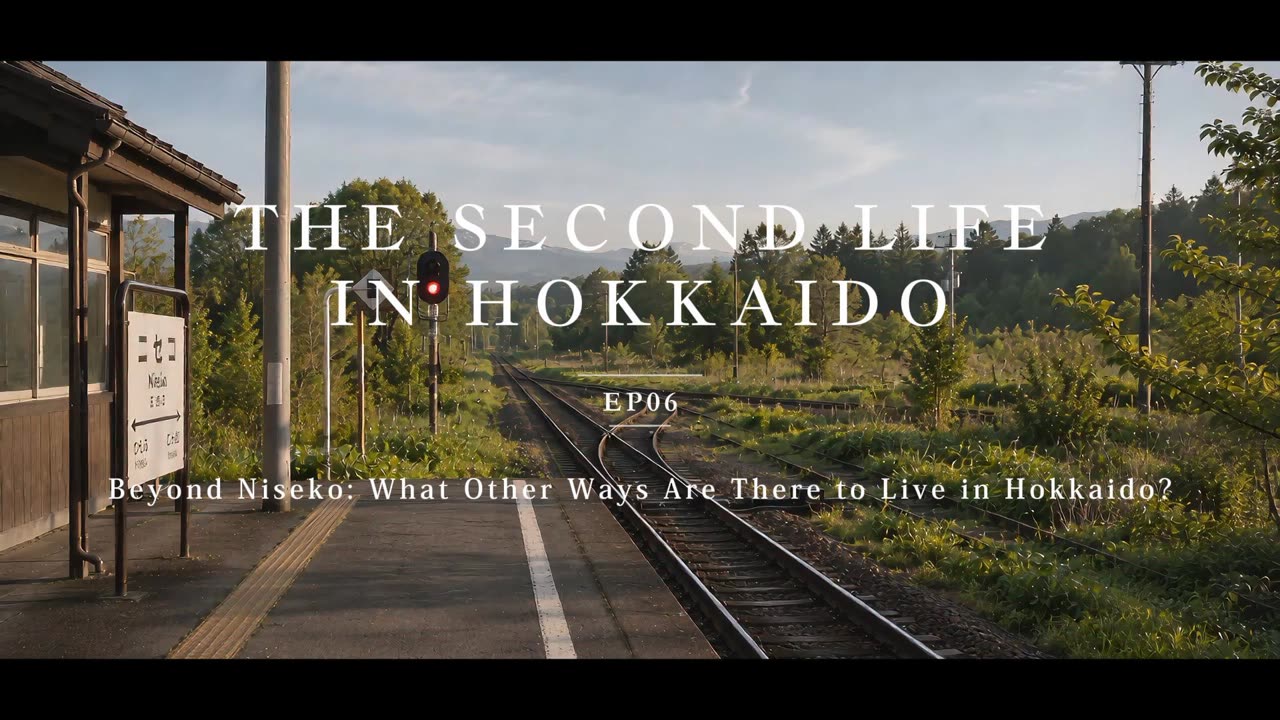
If Not Niseko, Where? Hokkaido as a Map of Lifestyle Choices
The last episode looked hard at Niseko, and the question that follows comes almost immediately: if not there, where else? This film refuses to answer with a list of place names. It unfolds Hokkaido as a map of lifestyle choices instead — Kutchan and Niseko for language and services, Akaigawa, Niki and Yoichi for open space and driving, Otaru and the Sapporo suburbs for medical care and commuting, village areas for farmland, storage sheds and winter upkeep. Then it turns the question around and asks what you can least do without.
-
 ▶3:06Episode 7 SG-V0034
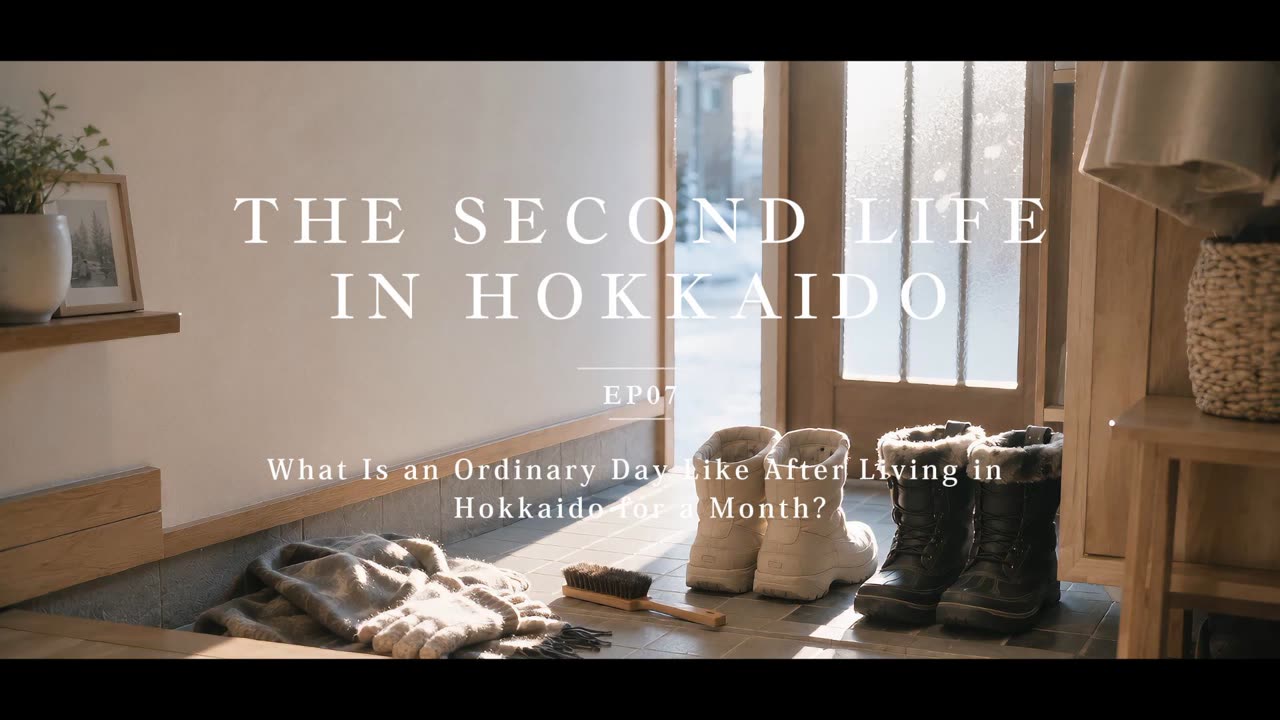
After a Month in Hokkaido, What an Ordinary Day Looks Like
By the third week, the trip has quietly turned into a life. Mornings begin with the temperature and the state of the roads rather than an itinerary; work, laundry and deliveries carry on as usual, only in a much quieter setting. A restaurant closes because of snow, instant noodles wait in the cupboard, an afternoon walk follows a path cleared through the drifts — and at night the town goes completely still.
-
 ▶2:45Episode 8 SG-V0035
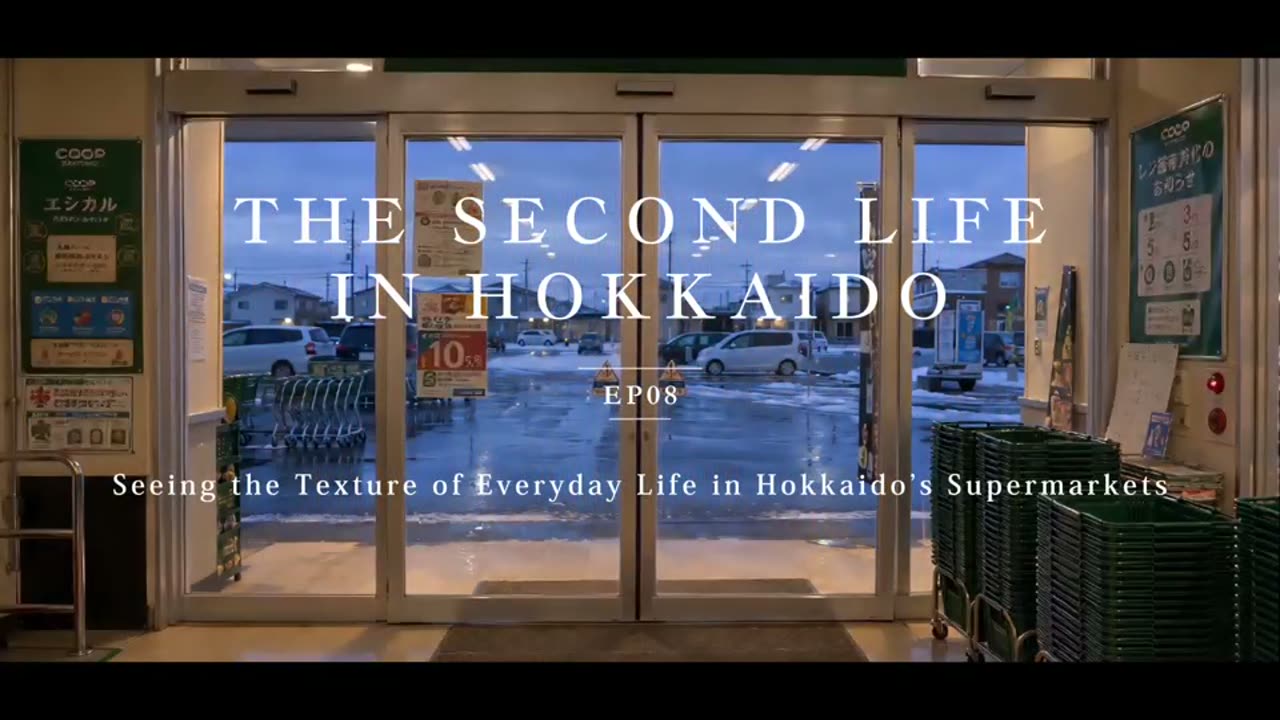
To Understand a Place, One Trip to Its Supermarket Is Enough
No guidebook needed. The dairy case carries the names of nearby farms; small labels beside the vegetables name the farmer, or the town the produce came from. In winter the entrance fills with warm patches and anti-slip gear. Hokkaido supermarkets rarely try to dress themselves up — they simply lay out the most authentic version of this place: fish from this sea, milk from these farms, crops from these fields, with very few complicated steps in between.
- Coming SoonEpisode 9
- Coming SoonEpisode 10
- To Be Continued…